
Reiki is a beautiful practice with deep roots and a simple purpose: to promote healing, balance, and well-being for the mind, body, and spirit.
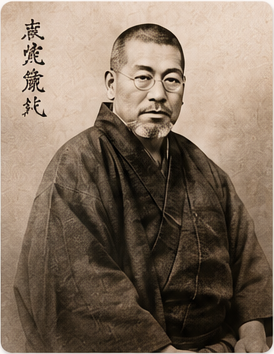
Reiki was developed in Japan in the early 1900s by Dr. Mikao Usui (1865–1926), a Japanese scholar, educator, and spiritual seeker. Usui was known for his dedication to personal growth and spiritual practice.
According to traditional Reiki accounts, Usui undertook a period of meditation and spiritual practice on Mount Kurama, a sacred mountain north of Kyoto known for its spiritual significance.
After returning from Mount Kurama, Usui began sharing Reiki with others. He established a structured system of teaching, including guiding principles, hand positions, and methods for attunement.
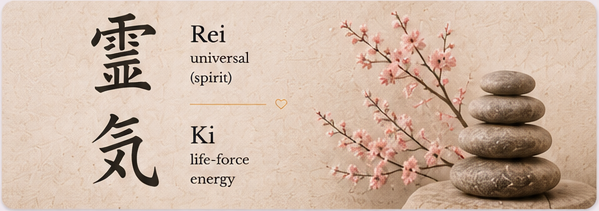
The word Reiki comes from two Japanese words:
Rei (霊) means “universal” or “spirit.” It refers to the higher, unseen wisdom that connects all living things.
Ki (気) means “life-force energy.” It is the vital energy that flows through everything.
Together, Reiki means “universal life-force energy.”
From its beginnings in Japan, Reiki has traveled across the globe, touching millions of lives.
Reiki is introduced in Japan by Dr. Mikao Usui.
Students and teachers continue to share Reiki throughout Japan.
Reiki travels to Hawaii, introduced by Mrs. Hawayo Takata.
Reiki spreads worldwide and continues to grow as a trusted practice.
Millions of people around the world benefit from the simple, powerful practice of Reiki.
Reiki is a timeless gift—simple, natural, and always available.